
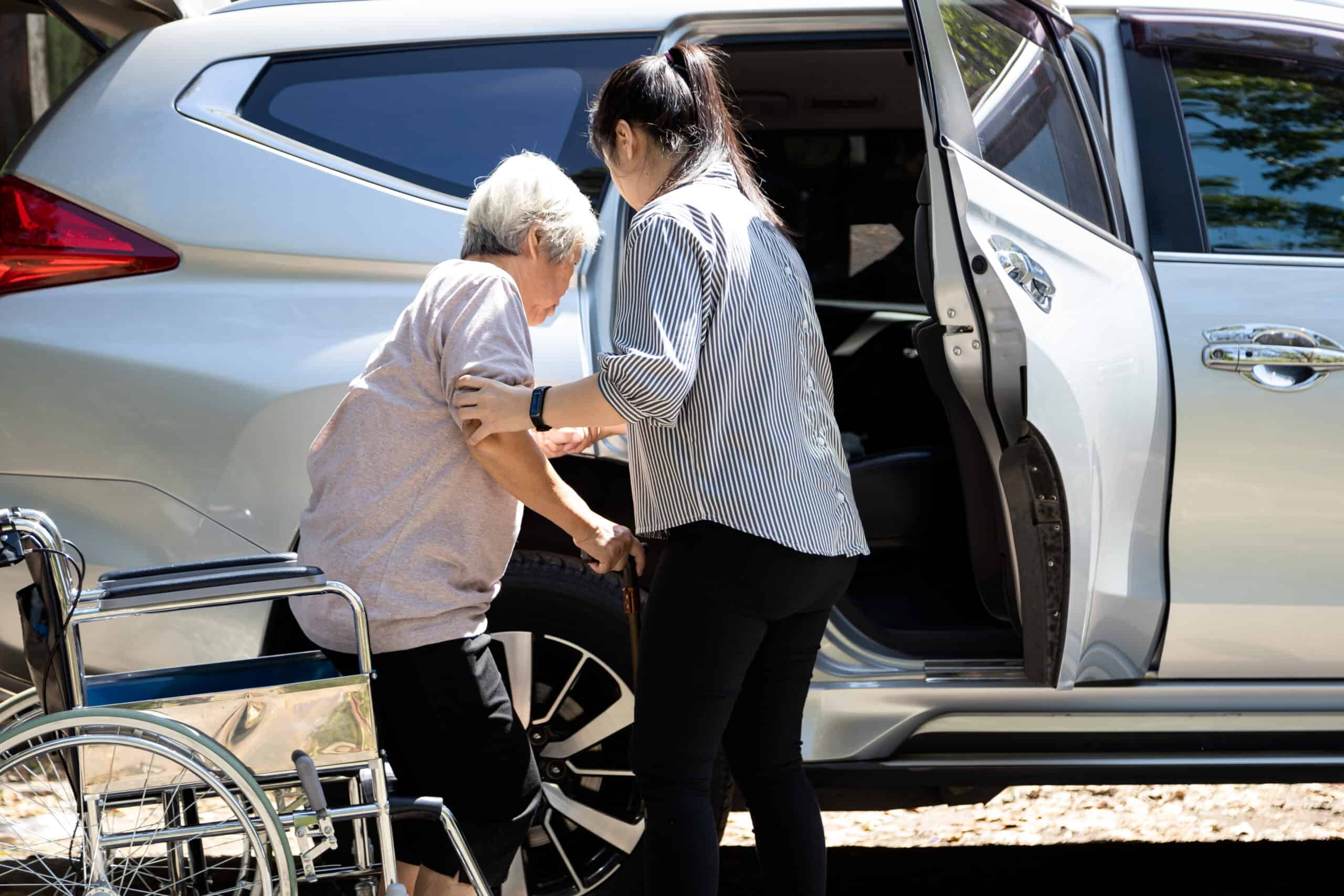
Donating to Non-Profit Health Care
We all know the importance of health care. It’s the bedrock of a healthy society, allowing people to live fulfilling lives, contribute to their communities, and reach their full potential. But what happens when the safety net of insurance isn’t enough? When the gaps in coverage leave individuals and families facing financial hardship and emotional distress?
Many people believe that health care is simply a matter of having insurance. While insurance plays a crucial role, it’s not the whole picture.
Here’s the reality:
Insurance often has severe limitations: High deductibles, co-pays, and out-of-pocket expenses for everyday needs can leave families struggling to afford necessary care. Even with insurance, the average American family faces thousands of dollars in annual health care costs beyond premiums. This burden is especially crushing for chronic conditions, ongoing treatments, and specialized care.
Significant gaps in coverage exist: In New York alone, nearly 940,000 residents lack health insurance entirely—and even among the insured, critical gaps persist, Hispanic residents experience uninsured rates of 10.6%—nearly three times the state average—creating profound disparities in access to care. Many essential services fall outside standard insurance coverage, leaving families with impossible choices:
- Medicare limitations: While Medicare covers hospice medical care, it leaves families facing critical gaps, not covering everyday survival needs like heating bills to keep a terminally ill patient warm, groceries, or help with mounting co-pays. And for older adults in skilled nursing centers, Medicare covers only medical rehabilitation therapy, excluding the recreational activities, socialization programs, and quality-of-life enrichment that give residents dignity and joy in their final years.
- Medicaid exclusions: Specialized therapies, culturally connected care, and holistic support services are frequently excluded from Medicaid coverage, even though they are medically necessary for patient well-being.
- Private insurance gaps: Home care, managed long-term care, specialized dementia care, and comprehensive hospice support are often partially or entirely uncovered by private insurance. One serious illness can devastate a family’s finances, even with “good” insurance.
Here’s why donating to non-profit health care matters:
1.They address gaps that insurance won’t cover:
Not-for-profit health care organizations like MJHS specialize in providing impactful programs and services that are not covered by standard insurance benefits. This includes extended bereavement counseling beyond Medicare’s 13-month requirement, trauma-informed care for vulnerable populations, including Holocaust survivors, support for the nearly 940,000 uninsured New Yorkers, and culturally connected services that honor diverse religious and cultural traditions. Without philanthropic support, these critical services simply wouldn’t exist for thousands of New York families each year.
2.They prioritize patient needs, not profit: Unlike for-profit organizations driven by shareholder interests and bottom-line considerations, not-for-profit health care organizations reinvest every dollar back into patient care. This fundamental difference means more resources for comprehensive services, lower costs for patients and families, innovation in addressing unmet needs, and a steadfast commitment to serving all patients regardless of ability to pay. When you donate to not-for-profit health care, your impact goes toward care—not dividends.
3. They support community health and equity: Not-for-profit health care organizations often serve the most underserved communities—the places where access to quality care is most limited and the need is most acute. In New York, where health care disparities persist along racial, ethnic, and economic lines, not-for-profit organizations work to create a more equitable health care system. They provide essential services in neighborhoods where for-profit providers won’t operate, offer sliding-scale fees for families struggling financially, and develop programs specifically designed to address the unique needs of diverse communities. This community-centered approach contributes to overall public health and helps close the alarming gaps in healthcare access.
4. Caregiver support is critically overlooked: While Medicare covers part-time home health aide services, this coverage exists solely to care for the patient—helping them bathe, dress, and eat—not to provide respite for exhausted family caregivers. Medicare limits aide services to the patient only. This means family caregivers providing round-the-clock care receive no support for their own basic needs: see their own doctor, buy groceries, or simply take a break from the relentless demands of caregiving. Outside of a brief 5-day hospice respite benefit, Medicare provides no assistance for caregivers to care for themselves, leaving them at severe risk for burnout, depression, and health crises of their own. The emotional and physical toll on caregivers is immense, yet resources for their well-being remain virtually nonexistent within standard insurance coverage.
Foundations like MJHS Foundation play a critical role in bridging gaps in care—learn how we help fill those gaps and why it matters.